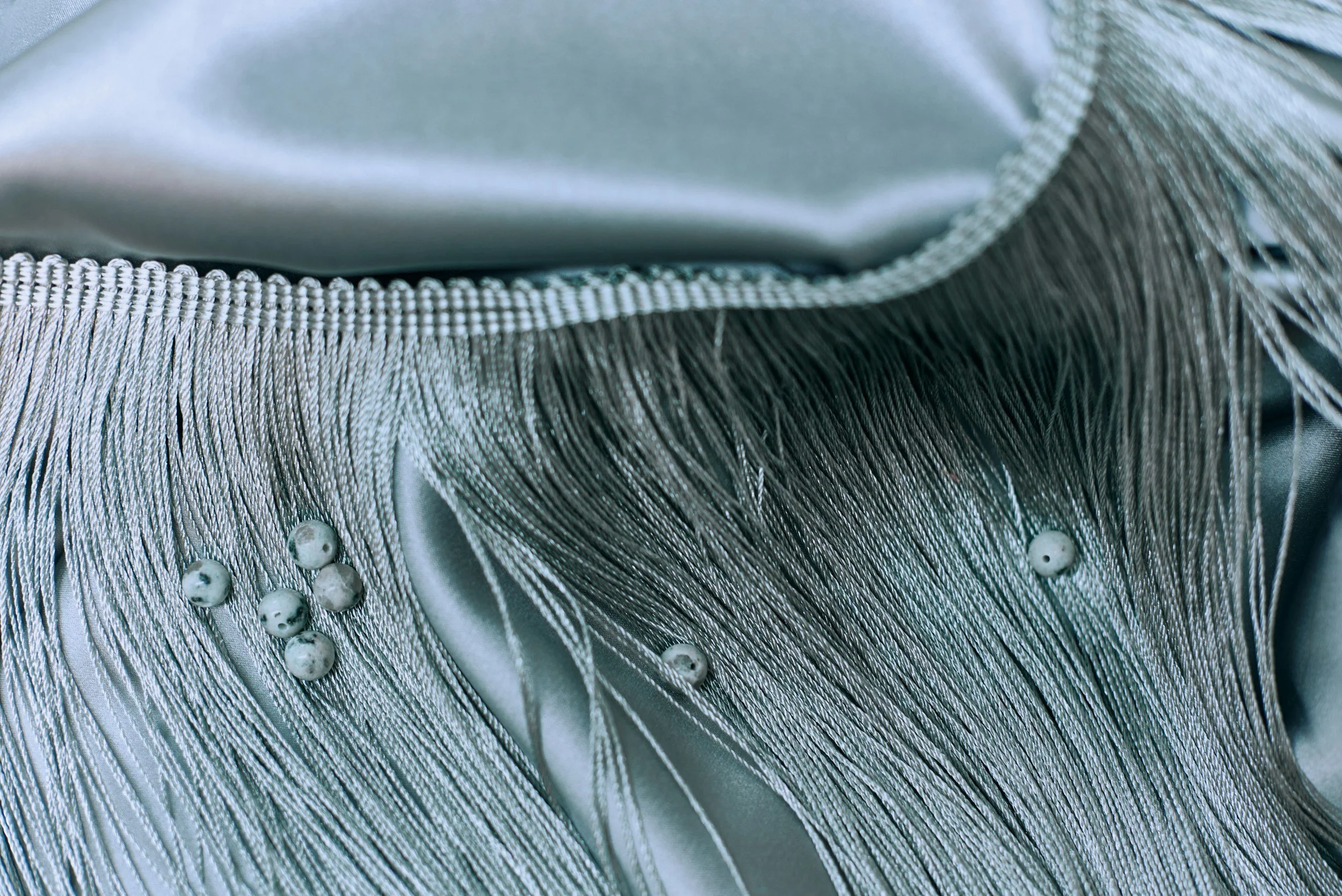
These are my recommendations for everything that you’ll need to get started on your sewing journey. I’ve kept the list focused on the essentials, with a few of my favourite tools, suppliers and websites that I return to time and again. Whether you’re just starting out or looking to build your sewing kit, these are the things that I’ve found genuinely useful for learning, making and getting the best results from your sewing.
Building a Sewing Kit
-
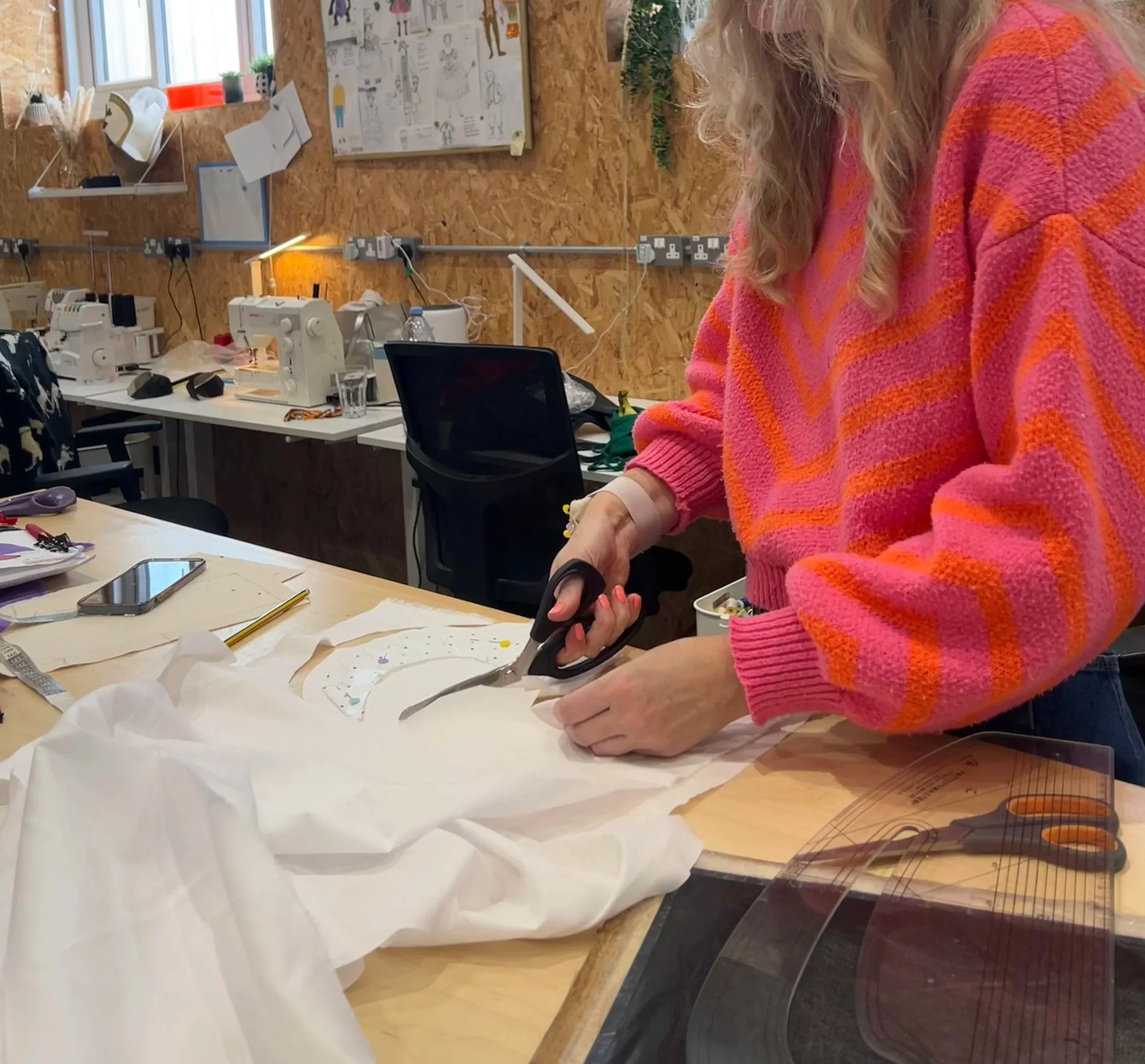
When choosing your fabric scissors for the first time, look for a size and weight that feels comfortable in your hand. The right pair should feel balanced and allow you to cut smoothly and accurately without straining your fingers or wrist. Keep them sharp and use them only for fabric to protect the blades. Some people prefer using a rotary cutter, so experiment with both if needed, to find what works best for you.
-
You will need a pair of paper scissors for cutting out patterns and pattern pieces. Any good pair from a stationery, craft or general retailer will work, but consider the size and weight, choosing something that feels comfortable and easy to handle. Keep them separate from your fabric scissors and use them only for paper and card.
-
In your sewing kit essentials, you’ll need a pair of small sewing scissors or an unpicker for removing stitches, trimming threads and making small, precise cuts. Choose whichever feels most comfortable and easy to control, as you’ll use this tool regularly throughout your sewing projects.
-
A good set of pins will quickly become one of the most-used items in your sewing kit. Choose fine, sharp pins that are comfortable to handle, with a selection of lengths to suit different fabrics and projects.
-
When dressmaking, there will be some hand sewing needed, so it’s worth having a selection of good-quality hand sewing needles in your kit. Choose a range of sizes and types to suit different fabrics and tasks, from general sewing and finishing to more delicate work.
-
For getting correct measurements, a flexible tape measure is an essential part of your sewing kit. Choose one that is easy to read, flexible enough to follow the curves of the body, and long enough to take both body and garment measurements accurately.
-
Gütermann ‘All Sew’ is generally a reliable choice for dressmaking, with good quality and a wide range of colours and weights.
Choose your thread according to your project and fabric, whether you’re working with silk, cotton, linen, wool or synthetic fabrics. Matching the colour of thread to your fabric will help give a cleaner finish and ensure that your stitching performs as it should.
-
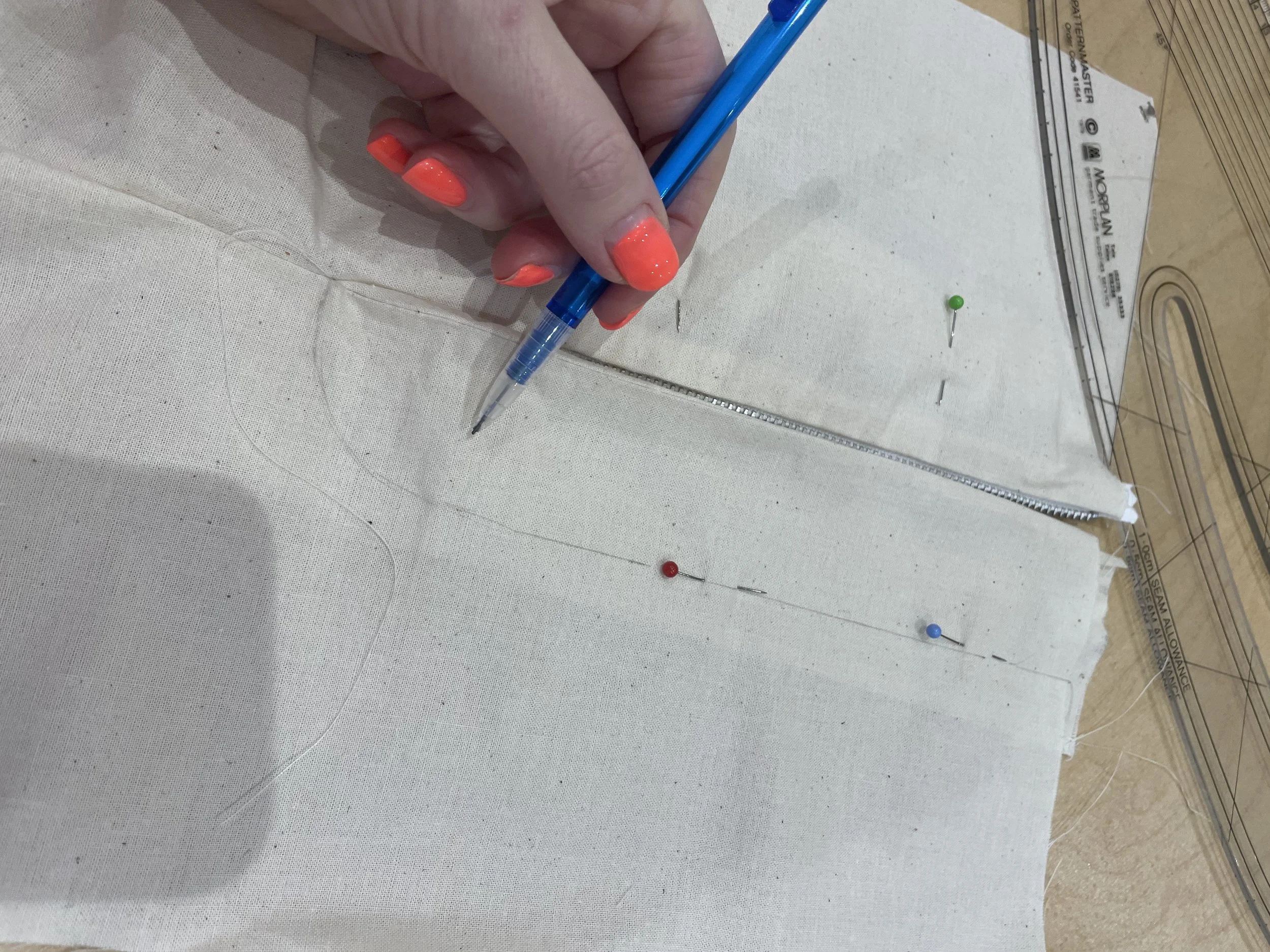
For marking your fabric, an erasable fabric pen or tailor’s chalk is useful for transferring pattern markings, construction lines and other details. Choose a marking tool that is suited to your fabric and can be easily removed without leaving a permanent mark. It’s worth experimenting with different types to find what works best for you.
-
For marking up patterns, drafting and making notes, you’ll need a pen, pencil and rubber. Any good-quality stationery set from a general retailer will work, so choose what feels comfortable to write and draw with.
-
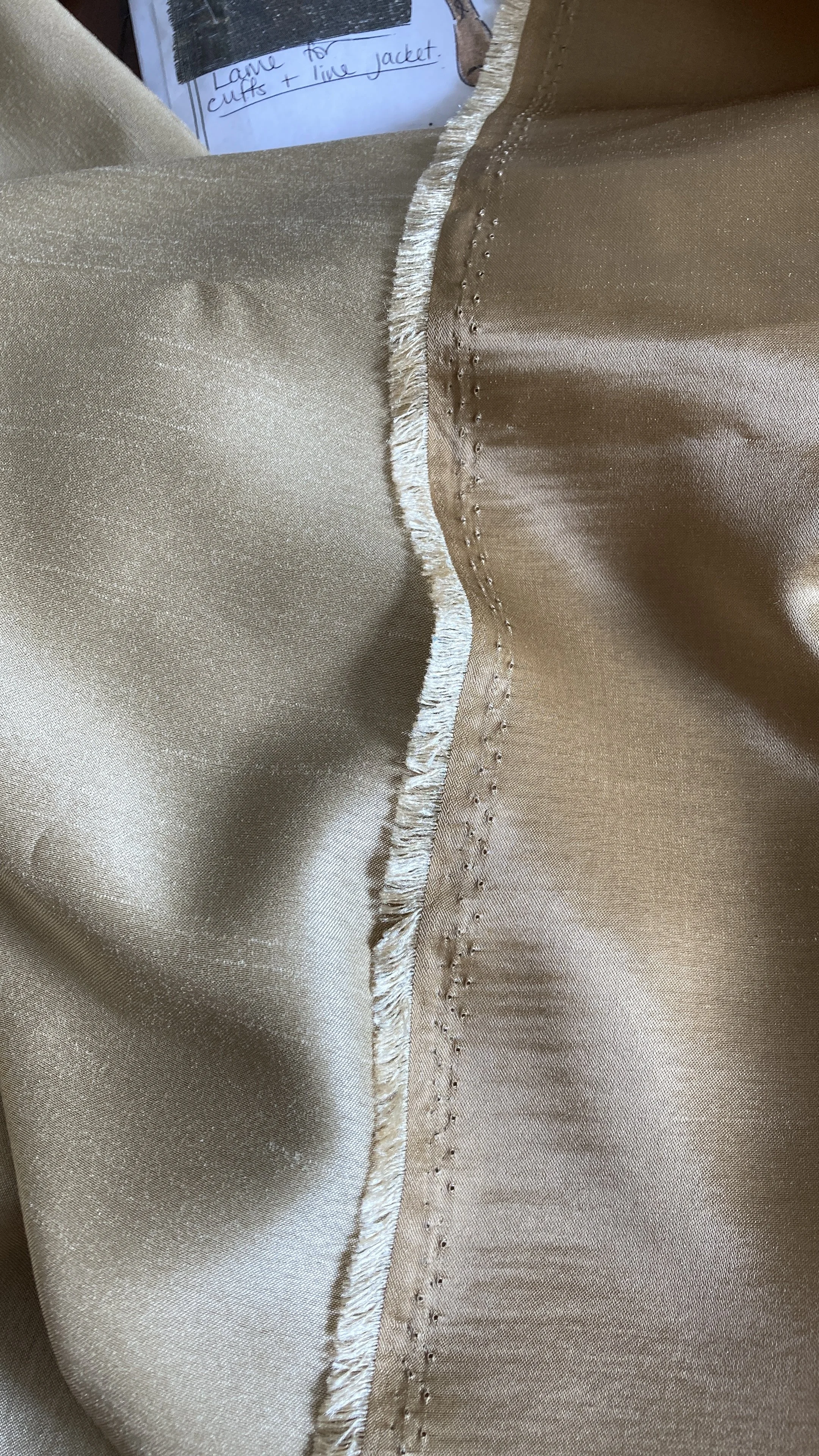
There are so many places to buy fabric and patterns, both online and in person, so take some time to explore and find suppliers you like. If you’re buying fabric online, it’s always worth ordering samples first so you can see the colour, weight, texture and drape before committing to a larger quantity.
Learning which fabrics, colours and textures you enjoy working with is all part of developing your sewing practice. For your first projects, don’t be afraid to use charity shop fabrics, old clothes or even sheets and duvet covers. They can be a great, inexpensive way to practise without worrying about making mistakes.
Choose an easy fabric to begin learning with, such as:
Cotton – Easy to sew, breathable and available in a huge range of weights and finishes. A good choice for beginners.
Linen – Natural, breathable and beautifully textured. It can crease easily but softens with washing and wear.
Denim – Strong and durable, with a range of weights. Great for trousers, skirts, jackets and bags, although heavier denim may require a stronger needle.
-
When choosing a pattern at the start of your sewing journey, look for one marked as easy, beginner or straightforward. Choose a design that introduces a few useful skills without being too complicated, and check the pattern instructions and recommended fabrics before you begin. Starting with a manageable project will help you build confidence and enjoy the process.
Sewing Essentials
Not needed straight away, but worth adding over time…
-
I suggest the Pattern Master Pro Metric from Morplan.
-
My recommendation is the Scotch Magic Transparent tape from any stationary retailer.
-
Generally buy the right set of needles for your sewing machine model and the types of fabrics you’ll be working with. Having a small selection of different sizes and needle types means you’ll be prepared for everything from lightweight fabrics to heavier materials, and can choose the right needle for each project.
-
Generally, choose good-quality pins that are suited to the fabrics you’ll be working with. A selection of fine, sharp pins is useful for most sewing projects, while longer or stronger pins can be helpful when working with heavier fabrics or multiple layers.
-
From any retailer, these will be used for pattern adjustments and drafting and are a useful item to have on hand for sketching, drawing and marking when needed.
-
A small selection of good-quality safety pins is useful for sewing, particularly for holding pieces together, securing fabric, and marking or transferring details. Choose a few different sizes so you have the right pin for different fabrics and projects.
-
Interfacing
For a heavier woven interfacing, I recommend the Cotton Woven Interfacing P104 from William Gee. It’s a useful addition to your kit for adding structure and support to garments and sewing projects.
Stabilising Tape
For stabilising necklines, shoulder seams and other areas that need a little extra support, I recommend Vilene Bias Tape EE6645 from William Gee.
-
A good quality tracing wheel is a useful tool for transferring pattern markings onto fabric, particularly darts, notches and construction lines. Choose a fine or smooth wheel for delicate fabrics and a serrated wheel for more visible markings on sturdier fabrics.
-
Carbon paper is useful for transferring pattern markings onto fabric, particularly darts, construction lines and other important details. Choose a colour that will show clearly on your fabric without being too difficult to remove.
-
Pattern weights are useful for holding your pattern pieces securely in place while cutting, without having to pin through the paper and fabric. You can buy them in a variety of shapes and sizes from any haberdashery retailer, or simply make your own as a simple sewing project using fabric scraps and filling.
-
A pressing cloth is useful for protecting your fabric while ironing, particularly when working with delicate, dark or heat-sensitive fabrics. It helps prevent shine, scorching and marks, and can also be used when applying heat to seams or interfacing.
-
Used for pressing curved areas of a garment, such as darts, bust seams, collars, hems and sleeve heads. Its rounded shape allows you to press curves accurately without flattening the fabric, making it particularly useful for dressmaking and tailoring.
-
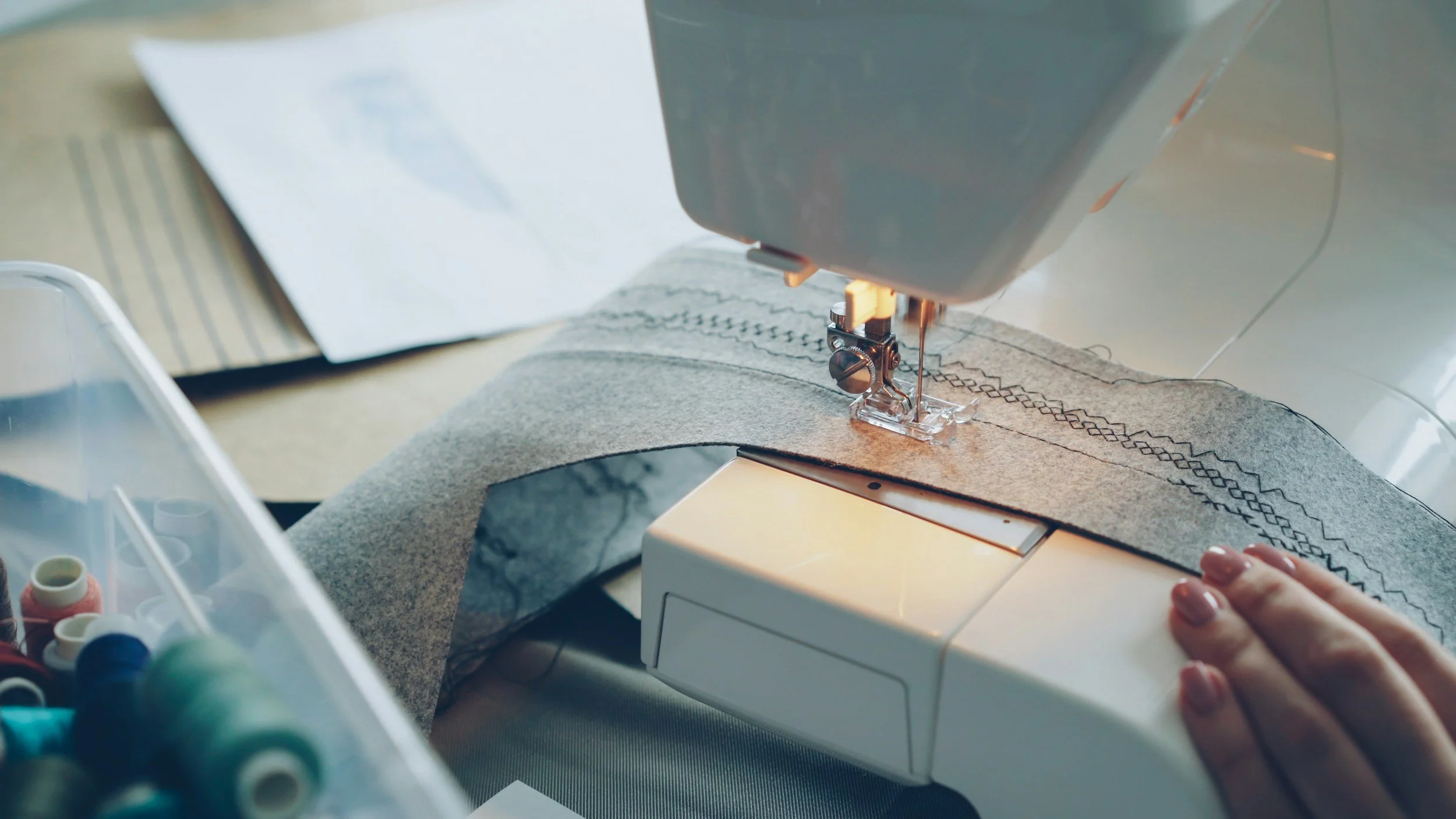
If you’re looking to buy your first sewing machine, I recommend Janome as a reliable entry-level choice. Expect to spend around £200–£300 for a good machine that will give you room to learn and develop your skills. In my experience, going much cheaper isn’t always cost-effective in the long run.
A couple of models worth looking at are the Janome J3-18 and Janome J3-20.
Some of my Favourite Websites for Dressmaking…
Fabric & Patterns
Tools
Fasteners &
Closures
Equipment
Machines